Flying Motorcycles: The Next Frontier in Personal Transportation


The dream of soaring through the skies like in a science fiction movie is becoming increasingly real. While flying cars have dominated headlines and futuristic visions, flying motorcycles — also called hoverbikes — are quietly gaining attention as an innovative and practical alternative for personal aerial transportation. Sleek, agile, and visually stunning, these vehicles promise a completely new way to experience travel.
The vision of personal flying vehicles has long been dominated by flying cars, but attention is increasingly shifting to flying motorcycles, or hoverbikes, as an exciting and viable alternative. Sleek, agile, and visually striking, these machines combine the thrill of a motorcycle with the freedom of flight, offering a fresh perspective on personal transportation.
Why Flying Motorcycles?
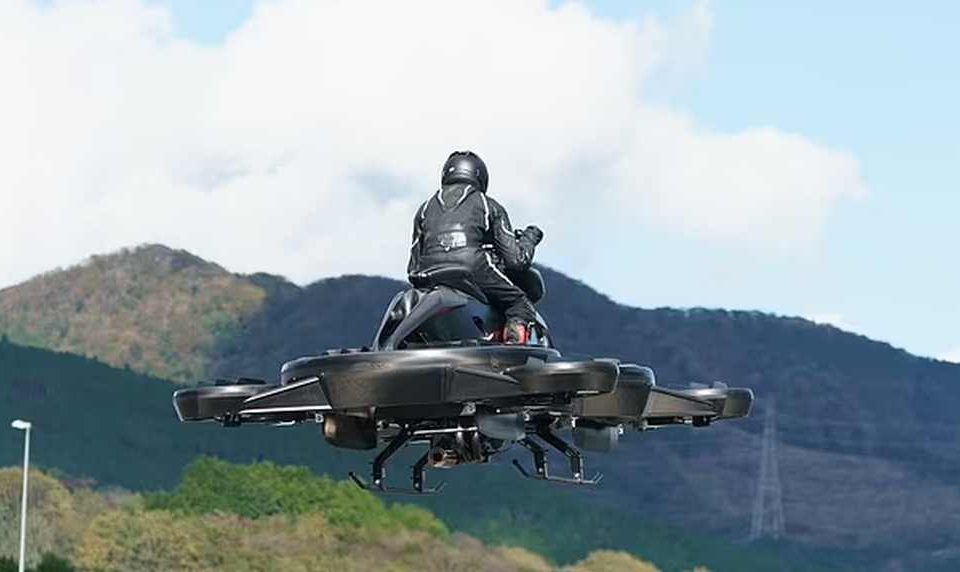
Unlike large flying cars, which are often bulky and complex, flying motorcycles are designed for individual use and offer greater maneuverability. They can navigate urban airspace more easily, avoid traffic congestion, and provide a unique flying experience. The design also mimics traditional motorcycles, giving riders a familiar yet futuristic feeling as they hover above the ground.
Current Market Examples
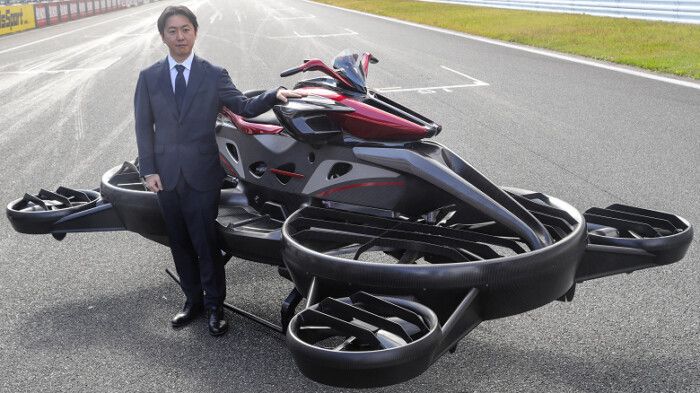
Several companies are developing hoverbikes with different capabilities:
- Xturismo Hoverbike: A Japanese prototype capable of speeds up to 100 km/h. Its design focuses on a motorcycle-style seating arrangement, combining aerial mobility with a familiar riding posture. Its price is high, making it a luxury or early-adopter product rather than a mass-market option.
- Volonaut Airbike: A jet-propelled hoverbike designed for one person, reaching speeds up to 200 km/h. Lightweight materials like carbon fiber and advanced flight stabilization make it agile, though flight duration is limited.
- Malloy Aeronautics Hoverbike: Developed in New Zealand, this VTOL hoverbike can carry a payload of around 130 kg and reach speeds of roughly 96 km/h. It is still primarily in the prototype and testing phase but demonstrates practical design for real-world flight.
Other emerging models focus on hybrid capabilities, combining limited ground mobility with short-range flight, hinting at the future of multi-modal personal transport.
Technological and Regulatory Challenges

Despite their promise, flying motorcycles face several hurdles:


- Safety and Certification: Aviation regulations are strict, requiring pilots to be trained and vehicles to meet high safety standards. Stability and collision-avoidance systems are essential.
- Energy and Range: Battery or fuel limitations restrict flight time and distance, making practical daily use a challenge.
- Cost: Current prices are extremely high, often hundreds of thousands of dollars, limiting widespread adoption.
- Infrastructure and Air Traffic: Urban take-off and landing zones, traffic management, and maintenance facilities are not yet widely available. Regulations governing low-altitude airspace also need to evolve.
Future Potential and Use Cases
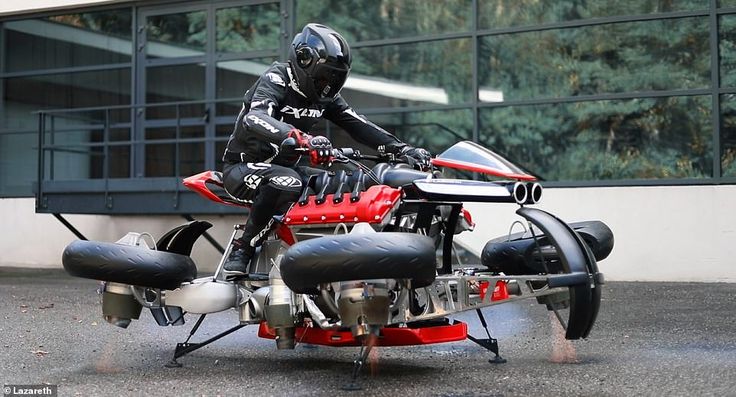
Flying motorcycles have potential applications in multiple areas:
- Urban Air Mobility: Short-distance commutes above congested streets.
- Emergency Services: Rapid deployment in remote or crowded areas for medical or rescue operations.
- Recreation and Tourism: Adventure flights, aerial tours, or unique recreational experiences.
- Hybrid Transportation Ecosystems: Integrating ground and air travel in cities with new infrastructure, take-off zones, and multi-modal transport networks.
Conclusion: When Will They Become Real?
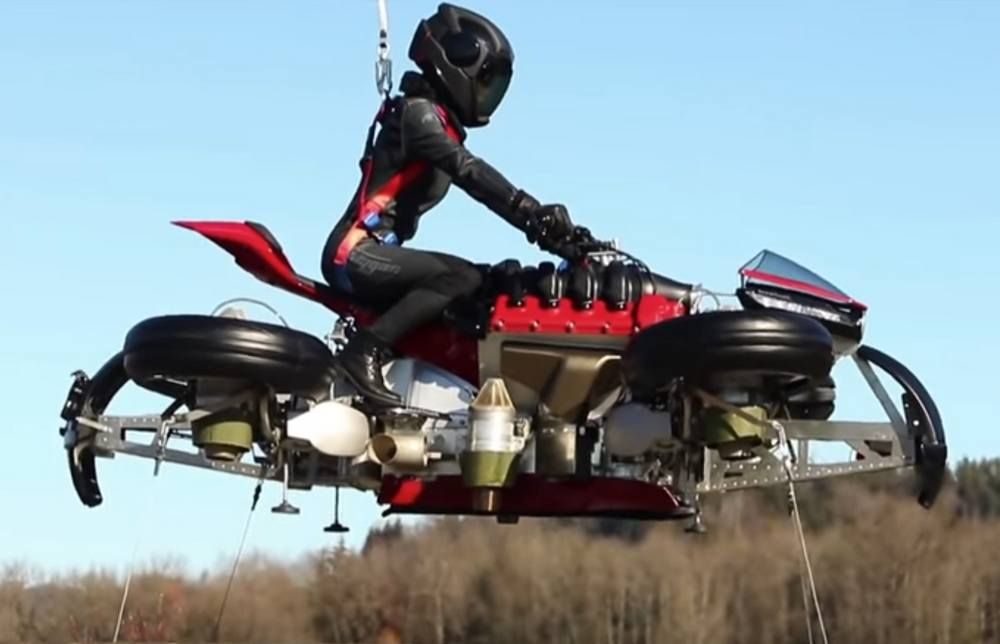
Currently, flying motorcycles remain in the prototype and early-adopter phase. While technology is advancing rapidly, widespread use will require improvements in safety, cost, regulation, and infrastructure. However, these vehicles represent a significant step toward a future of personal aerial mobility, where commuting, leisure, and urban travel may soon take to the skies. The dream of flying above traffic is closer than ever, and in the next decade or two, it may no longer be science fiction.
You Might Also Like;